
Buying an Equestrian Property in Tassajara Valley: What Horse Owners Should Know
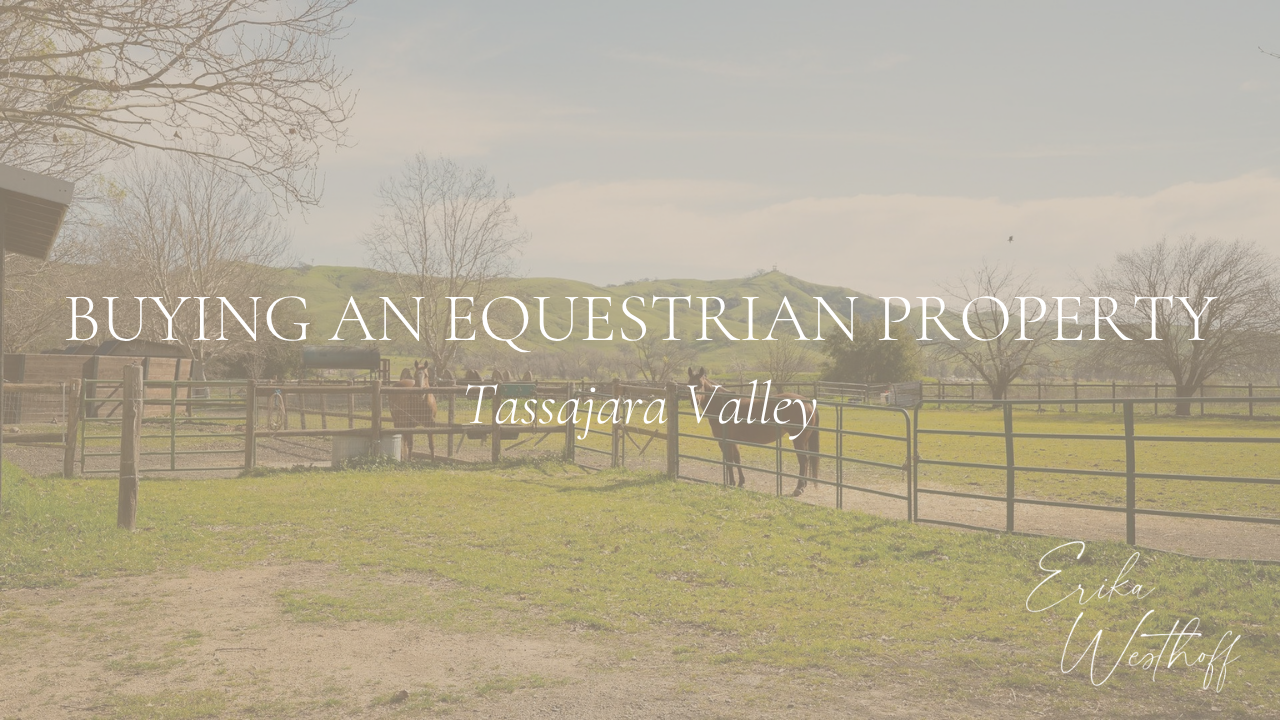
If you're searching for an equestrian property near Danville or Pleasanton, there is one area you should know about: Tassajara Valley.
Tassajara Valley offers a distinctly rural side of East Bay living, with acreage, agricultural land, open space, and properties that can feel far removed from nearby suburban neighborhoods.
If you're new to the area, start with my guide to Tassajara Valley's history and equestrian lifestyle for a closer look at what makes this part of the Tri-Valley unique.
But buying here can also be confusing.
Some properties may have a Pleasanton mailing address while actually being located in Contra Costa County, and parts of the area are considered unincorporated Contra Costa County rather than being within the incorporated boundaries of Pleasanton, Danville, or San Ramon.
For equestrian buyers, understanding that distinction is just as important as evaluating the barn, acreage, fencing, and home itself.
Where Is Tassajara Valley?
Tassajara Valley is located in eastern Contra Costa County near Danville and San Ramon, with Pleasanton and Alameda County to the south.
The area is known for its more rural landscape, including agricultural land, open space, larger parcels, and low-density residential properties.
This location creates an unusual situation for some properties: the city shown in a mailing address does not necessarily tell you which local government has jurisdiction over the property.
That is why buyers should look beyond the mailing address and verify the parcel itself.
Why Can a Tassajara Valley Property Have a Pleasanton Address?
A mailing address and a property's legal jurisdiction are not always the same thing.
Some properties in the Tassajara Valley area use a Pleasanton mailing address even though the parcel itself is located in Contra Costa County.
For a buyer, that distinction matters.
Instead of assuming that a property is governed by the City of Pleasanton because "Pleasanton" appears in the address, buyers should verify:
The county where the parcel is located
Whether the property is inside an incorporated city
The property's zoning
Which agency handles planning and building permits
Applicable land-use regulations
The property's Assessor's Parcel Number, or APN
This is especially important when buying acreage or planning to keep horses.
What Does “Unincorporated Contra Costa County” Mean?
An unincorporated area is a community or property that is not located within the official boundaries of an incorporated city or town.
Instead of a city government handling certain local responsibilities, Contra Costa County serves as the local land-use authority for its unincorporated areas.
For Tassajara Valley buyers, this can affect questions involving:
Zoning
Building permits
Land use
Agricultural uses
Accessory structures
Property improvements
Development possibilities
This is one reason buyers considering acreage should confirm the actual jurisdiction of a property rather than relying solely on its mailing address.
Is Tassajara Valley Good for Equestrian Buyers?
For the right buyer, Tassajara Valley can be worth exploring because of its rural character, larger parcels, agricultural land, and established equestrian community.
For a closer look at what the horse-centered lifestyle can feel like here, read Equestrian Bliss in the Tassajara Valley.
But acreage alone does not make a property equestrian-ready.
Before purchasing any property for horses, buyers should verify whether the property's zoning and permitted uses support their plans.
Two neighboring properties can have very different characteristics, improvements, and restrictions.
What Should You Look for in a Tassajara Valley Horse Property?
When touring an equestrian or acreage property, evaluate the land just as carefully as the residence.
Important considerations include:
Usable acreage
Zoning and permitted animal use
Barns and stalls
Pasture and turnout areas
Fencing
Arena or riding space
Trailer access
Water availability
Drainage
Feed and equipment storage
Manure management
Access for veterinarians and farriers
Existing permits for barns and accessory structures
A property may look ideal at first glance but function very differently once you consider the practical needs of keeping horses.
Location within the valley matters, too. Riders may want to consider proximity to boarding facilities, trainers, and riding programs. If you're getting familiar with the local horse community, explore my guide to horseback riding lessons and equestrian programs in Tassajara Valley.
How Much of the Acreage Is Actually Usable?
This is one of the most important questions when buying a horse property.
Five acres on paper does not necessarily mean five acres of usable equestrian space.
Topography, drainage, easements, access, vegetation, and existing improvements can all affect how the land can be used.
When evaluating acreage, think about where horses would actually live and how you would move through the property.
Is there enough functional space for turnout?
Can a trailer reach the barn comfortably?
Is there room for an arena if one does not already exist?
Where will feed, equipment, and manure be managed?
Those questions can matter more than the acreage number in the listing.
What Should You Know About Zoning Before Buying?
Never assume horses are permitted simply because a property looks rural or already has a barn.
Zoning determines what uses may be allowed on an individual parcel. For properties in unincorporated Contra Costa County, buyers should research the specific parcel and confirm applicable requirements with the appropriate county agencies.
This becomes especially important if you plan to:
Keep horses or other livestock
Build or expand a barn
Add an arena
Install additional fencing
Construct accessory buildings
Grade or significantly alter the land
Before purchasing based on future plans, confirm what is actually permitted for that specific parcel.
What Should You Inspect on an Existing Equestrian Property?
An existing horse setup can save considerable time, but buyers should still evaluate the condition and legality of the improvements.
Look closely at:
Stall condition and dimensions
Barn ventilation
Roofing
Electrical systems
Water connections
Tack and feed storage
Wash areas
Fencing and gates
Pasture condition
Arena footing and drainage
Trailer parking
Driveway width and turning space
Buyers should also investigate permits and records for existing structures where applicable.
Why Are Water and Drainage Important?
Water is fundamental to an equestrian property.
Beyond supplying the residence, buyers should understand how water reaches barns, pastures, stalls, wash areas, and landscaping.
Drainage is equally important.
Poor drainage can create muddy turnout areas, erosion, standing water, and problems around barns and arenas during wet weather.
A property that looks perfect during a dry summer showing may function very differently after heavy rain.
Should You Buy an Established Horse Property or Build Your Own Setup?
There are advantages to both.
Buying an Established Equestrian Property
An established property may already include:
Barns
Stalls
Pastures
Fencing
Arenas
Tack rooms
Equipment storage
Trailer parking
This can make moving horses onto the property significantly easier.
If you want to see the type of infrastructure found at a developed local equestrian facility, take a look at 5 Star Equestrian in Pleasanton's Tassajara Valley.
Buying Acreage With Equestrian Potential
Buying land with the intention of creating your own setup gives you more control over the design.
However, buyers should verify zoning, permitting, setbacks, grading requirements, water availability, drainage, and other development considerations before assuming they can build what they want.
Tassajara Valley vs. Danville or Pleasanton: What Should Buyers Consider?
This is where understanding the map becomes important.
A buyer may search online for a "Pleasanton horse property" because the listing has a Pleasanton mailing address, while the parcel itself may actually fall within unincorporated Contra Costa County.
Another property may truly be within Pleasanton, Danville, or San Ramon.
That distinction can affect which local agency oversees zoning, permits, planning, and future property improvements.
For buyers looking at acreage, equestrian estates, or rural properties, understanding the actual jurisdiction should be part of the due diligence process.
Frequently Asked Questions About Tassajara Valley Equestrian Properties
Where is Tassajara Valley?
Tassajara Valley is in eastern Contra Costa County near Danville and San Ramon, with the Alameda County and Pleasanton area to the south.
Why do some Tassajara Valley properties have Pleasanton addresses?
Mailing addresses do not always correspond to municipal or county boundaries. Some properties may use Pleasanton as their mailing city while the parcel itself is located in Contra Costa County.
Is Tassajara Valley part of Danville?
Not necessarily. Tassajara Valley includes areas outside incorporated city boundaries. Buyers should verify the jurisdiction of each individual property rather than relying on the mailing address.
What does unincorporated Contra Costa County mean?
It means the property is located in Contra Costa County but outside the incorporated boundaries of a city or town. For these properties, the County handles important land-use and planning functions.
Can you keep horses in Tassajara Valley?
Whether horses are permitted depends on the specific parcel, zoning, existing land-use rights, and other applicable restrictions. Buyers should verify permitted uses before purchasing.
How can I check the zoning of a Tassajara Valley property?
Contra Costa County provides property and zoning research tools for unincorporated parcels. Searching by the property's address or APN can help identify zoning and other parcel information.
Considering an Equestrian Property in Tassajara Valley?
Buying a horse property in Tassajara Valley requires understanding more than the house and acreage.
The mailing address, actual county, jurisdiction, zoning, usable land, water, access, and existing equestrian infrastructure can all affect whether a property truly works for your plans.
Working with a real estate professional who understands the relationship between Tassajara Valley, Danville, Pleasanton, San Ramon, and unincorporated Contra Costa County can help you ask the right questions before making an offer.
Erika Westhoff
REALTOR® | Neighbor & Real Estate Advisor
SERHANT.
Danville • Pleasanton • San Ramon • Tassajara Valley
510-331-0327
erikaw@serhant.com
CalDRE #02148022